

Persoonlijke ontwikkeling draait om bewust groeien op alle levensgebieden. Ontdek de vier kerncomponenten en hoe je vandaag nog kunt beginnen met werken aan jezelf.
Blog
Wat zijn de 5 persoonlijke SMART-doelen?
Leer hoe je met de SMART-methode vage wensen omzet in concrete doelen voor carrière, gezondheid en werk-privébalans. Inclusief praktische voorbeelden.
How do you start personal development?
Discover how to work effectively on personal development: from self-reflection and discovering talents to setting concrete goals. Start growing today.
What are the eight development goals?
Get to know the 8 development goals that guide your personal growth-from communication to leadership. Includes practical tips for formulating them SMART.
What are the five key development goals?
Discover which five development goals will accelerate your career and how to formulate them SMART. From leadership to emotional intelligence - build sustainable growth.
Why is personal development important?
Discover why personal development is essential for your career and job satisfaction. Learn how to start growing and make the most of your talents.
What can you develop yourself in?
Discover how to develop yourself professionally, personally and socially. From communication to leadership: concrete steps for sustainable growth.

What activities fall under personal development?
From coaching to self-reflection, discover which development activities suit you and how to achieve sustainable growth in work and private life.
What does personal growth look like?
Discover the concrete signs of personal growth, the stages you go through and how coaching can accelerate this process. Start your development today.
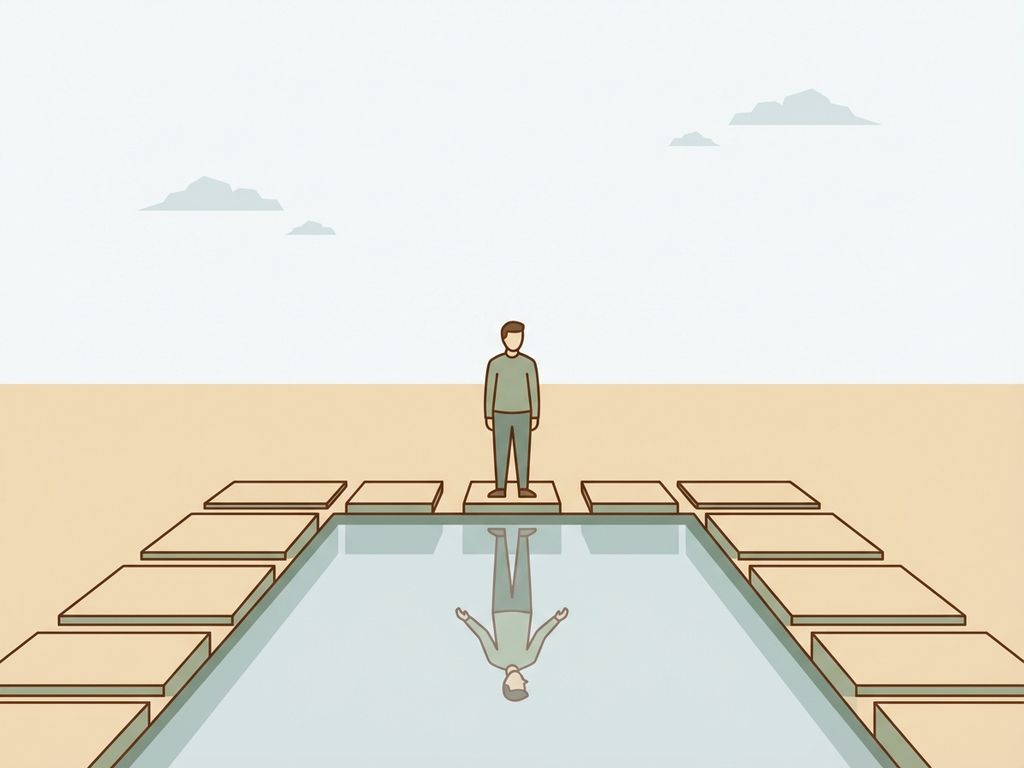
What is the difference between self-development and personal development?
Self-development comes from within, personal development includes coaching. Find out which approach suits your growth goals and situation.
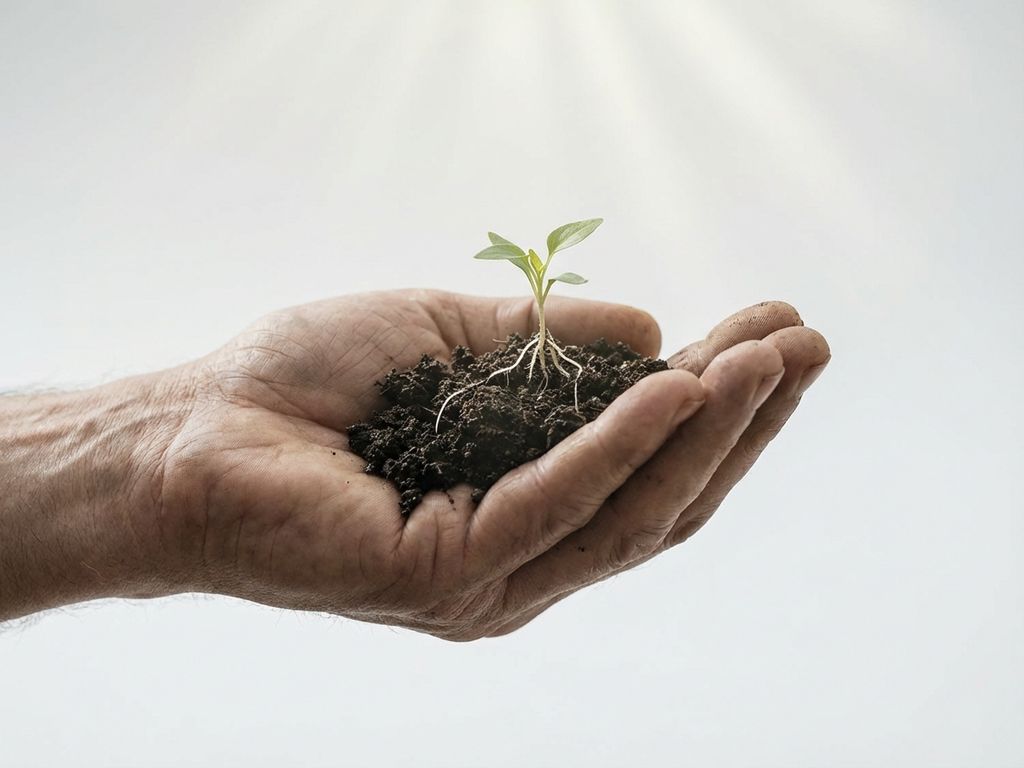
What is included in personal development?
Personal development includes self-knowledge, communication and mindset. Discover key areas and how to start with them for more growth in work and personal life.

How long does a personal development programme last?
A personal development path takes three to six months on average. Discover the factors that determine your path length and the three phases you go through.